
Introduction
The demand for reliable utility infrastructure is growing rapidly across various industries, including telecommunications, power distribution, water supply, and gas pipelines. Traditional excavation methods such as trenching and open-cut installations have long been used, but they often pose challenges like high costs, environmental impact, and traffic disruptions.
This is where Horizontal Directional Drilling (HDD) comes into play. As a cutting-edge trenchless technology, HDD is revolutionizing utility installations by offering a smarter, safer, and more efficient alternative. In this article, we explore why HDD is the future of utility installations and how it is transforming the industry.
Understanding Horizontal Directional Drilling (HDD)
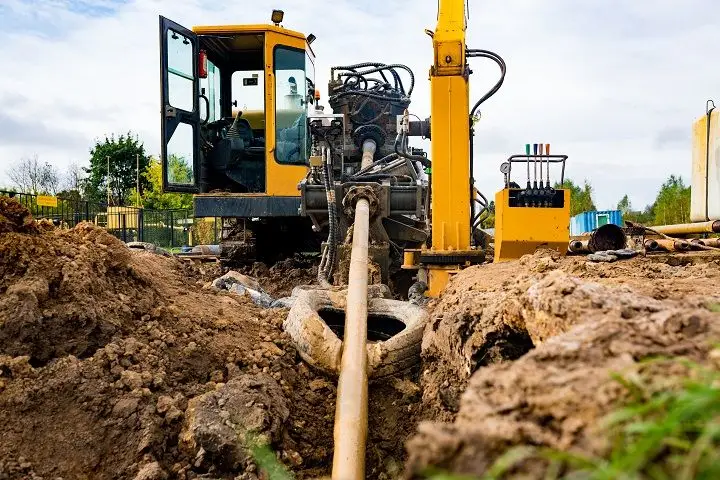
HDD is a trenchless method used to install underground pipes, conduits, and cables with minimal surface disturbance. It involves three main stages:
- Pilot Hole Drilling: A drill rig creates a small pilot hole along a predetermined path using advanced tracking technology.
- Hole Enlargement: The hole is widened using a reamer to accommodate the required pipe size.
- Pipeline Installation: The final pipe, often made of durable materials such as HDPE pipe, is pulled through the enlarged hole and secured in place.
This process allows utilities to be installed beneath roads, rivers, and densely populated areas without the need for extensive excavation.
Advantages of HDD Over Traditional Methods
1. Minimal Surface Disruption
One of the primary reasons HDD is gaining popularity is its ability to reduce surface disruptions. Unlike open-cut trenching, which requires digging large sections of land, HDD only requires entry and exit points, preserving roads, landscapes, and existing infrastructure.
2. Enhanced Safety
Traditional trenching methods expose workers to risks such as cave-ins and utility strikes. HDD eliminates many of these hazards by allowing installations to occur underground without direct exposure to unstable surfaces or heavy traffic areas.
3. Cost Efficiency
While the initial investment for HDD equipment may be higher than open-cut, the overall project cost is often lower due to reduced labor, shorter project timelines, and minimal restoration requirements. Additionally, HDD extends the lifespan of utility installations, leading to long-term savings.
4. Environmental Benefits
HDD is an eco-friendly alternative that minimizes soil disturbance, prevents erosion, and reduces emissions from construction machinery. This makes it an ideal choice for environmentally sensitive areas.
5. Versatility Across Various Applications
HDD is suitable for a wide range of applications, including:
- Telecommunications and fiber optic installations
- Power cable undergrounding
- Water and gas pipeline installations using HDPE pipe
- Sewer and drainage systems
- Industrial utility installations requiring minimal environmental impact
The Role of HDD in Malaysia’s Infrastructure Development
With rapid urbanization and increased infrastructure projects, Malaysia is embracing HDD technology for modern utility installations. Companies that supply materials like HDPE pipe Malaysia are playing a crucial role in supporting HDD projects by providing high-quality, durable piping solutions.
The demand for HDPE pipe Malaysia is growing due to its corrosion resistance, flexibility, and ability to withstand extreme environmental conditions. These pipes are commonly used in HDD projects for water and gas transportation, as they ensure longevity and reliability.
Additionally, construction and landscaping sectors are also benefiting from HDD. For example, pebble wash contractor Malaysia services are increasingly integrating HDD to install underground drainage systems without disrupting the aesthetic appeal of properties.
Choosing the Right HDD Contractor
Selecting a professional HDD contractor is essential for ensuring the success of a utility installation project. Here are some key factors to consider:
1. Experience and Expertise
Look for contractors with a proven track record in HDD projects. Companies experienced in HDPE pipe installations and trenchless technology are better equipped to handle complex projects efficiently.
2. Quality of Materials
Ensure that the contractor sources high-quality materials from reputable HDPE supplier Malaysia companies. This guarantees that the pipes used in HDD projects meet industry standards for durability and performance.
3. Compliance with Safety Standards
HDD projects should adhere to strict safety regulations. Contractors should conduct thorough risk assessments and implement best practices to prevent underground utility damage.
4. Advanced Equipment and Technology
The success of HDD depends on using state-of-the-art drilling rigs and tracking systems. Reliable contractors invest in advanced equipment to ensure precision and efficiency.
5. Comprehensive Project Management
A skilled HDD contractor should offer end-to-end project management services, from initial site assessments to post-installation inspections. This ensures smooth execution and minimal delays.
Future Trends in HDD and Utility Installations
As technology continues to evolve, HDD is expected to become even more efficient and widely adopted. Some emerging trends include:
1. Integration of Smart Technology
Advanced tracking and monitoring systems are enhancing the accuracy of HDD installations, reducing errors, and improving project outcomes.
2. Increased Use of Sustainable Materials
With a growing emphasis on sustainability, HDPE pipe remains a preferred choice for HDD projects due to its recyclability and eco-friendly properties.
3. Expansion in Urban Development Projects
As cities become more congested, HDD is becoming a go-to solution for underground utility installations without disrupting daily activities.
4. Automation and AI Integration
Artificial intelligence and automation are being introduced to HDD systems to further improve precision, reduce human error, and optimize drilling paths for maximum efficiency.
Conclusion
HDD is undoubtedly the future of utility installations, offering a smarter and safer approach compared to traditional methods like open-cut trenching. Its benefits, including minimal disruption, enhanced safety, cost efficiency, and environmental sustainability, make it the ideal choice for modern infrastructure projects.
With the increasing demand for underground utilities, the role of HDPE supplier Malaysia companies and pebble wash contractor Malaysia services is becoming more vital in supporting HDD installations. By choosing high-quality materials such as HDPE pipe Malaysia, project developers can ensure long-lasting and reliable underground infrastructure.
As technology advances, HDD will continue to shape the future of utility installations, making cities smarter and infrastructure more resilient. Investing in HDD today means building a stronger foundation for the future. The integration of AI-driven tools, sustainable materials, and smart tracking systems will only make HDD more effective in the coming years, solidifying its place as the premier choice for underground utility projects.