
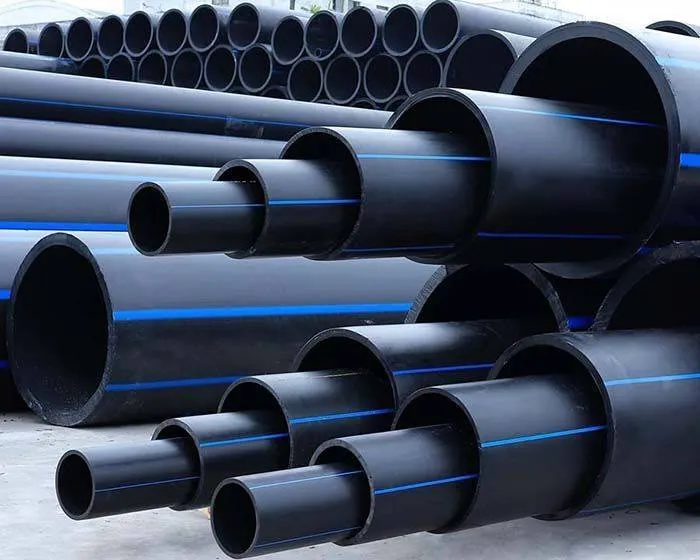
In recent years, industries across Malaysia and beyond have been increasingly adopting High-Density Polyethylene (HDPE) pipes over traditional piping materials such as concrete, steel, and PVC. This shift is driven by the numerous advantages HDPE pipes offer, including durability, flexibility, and cost-effectiveness. As industries seek more efficient and sustainable solutions, HDPE pipes have emerged as the go-to choice for a wide range of applications, from water supply and gas distribution to telecommunications and industrial processes. In this article, we explore why HDPE pipes are gaining popularity and how they compare to traditional piping systems.
What is HDPE?
High-density Polyethylene (HDPE) is a thermoplastic polymer made from petroleum. Known for its high strength-to-density ratio, HDPE is widely used in the production of plastic bottles, corrosion-resistant piping, geomembranes, and plastic lumber. In the context of piping, HDPE pipes are recognized for their flexibility, resistance to chemicals, and ability to withstand high-pressure environments. These characteristics make them ideal for modern infrastructure projects, especially in Malaysia, where industries are increasingly relying on advanced technologies like horizontal directional drilling (HDD) and opencut contractor Malaysia methods for pipeline installation.
HDPE Pipes vs. Traditional Piping: Key Differences
1. Durability and Longevity
One of the most significant advantages of HDPE pipes is their exceptional durability. Unlike traditional materials such as steel or concrete, HDPE pipes are highly resistant to corrosion, abrasion, and chemical damage. This makes them particularly suitable for harsh environments, including areas with high soil acidity or exposure to industrial chemicals. Additionally, HDPE pipes have a lifespan of up to 100 years, significantly outperforming traditional piping materials that often require replacement or repair within 20-30 years.
For industries in Malaysia, where infrastructure projects often face challenging conditions, the durability of HDPE pipes ensures long-term reliability. Whether it’s for HDD TNB contractor Malaysia projects or water supply networks, HDPE pipes provide a sustainable solution that minimizes maintenance costs and downtime.
2. Flexibility and Ease of Installation
HDPE pipes are highly flexible, allowing them to bend and adapt to the terrain without the need for additional fittings. This flexibility is particularly beneficial for projects involving directional drilling Malaysia techniques, where pipes must navigate around obstacles or follow curved paths. In contrast, traditional piping materials like concrete or steel are rigid and require extensive jointing, which can increase installation time and costs.
The lightweight nature of HDPE pipes also simplifies transportation and handling, reducing labor requirements and overall project expenses. For opencut contractor Malaysia projects, the ease of installation translates to faster completion times and lower disruption to surrounding areas.
3. Leak-Free Joints
Traditional piping systems often rely on mechanical joints or welding, which can be prone to leaks over time. HDPE pipes, on the other hand, are joined using heat fusion, creating a seamless, leak-free connection. This method ensures a uniform and robust bond that eliminates the risk of leaks, a critical factor for industries such as water supply and gas distribution.
In Malaysia, where water conservation and efficient resource management are priorities, the leak-free nature of HDPE pipes makes them an attractive option for municipal and industrial applications. Additionally, the use of HDPE PN10 black red stripes pipes, which are specifically designed for high-pressure applications, further enhances the reliability of these systems.
4. Cost-Effectiveness
While the initial cost of HDPE pipes may be higher than some traditional materials, their long-term cost savings are undeniable. The reduced need for maintenance, repairs, and replacements, combined with lower installation costs, makes HDPE pipes a cost-effective choice over their lifecycle. For industries in Malaysia, where budget constraints and efficiency are key considerations, HDPE pipes offer a compelling value proposition.
Moreover, the availability of HDPE supplier in Malaysia ensures that industries have access to high-quality materials at competitive prices, further driving the adoption of HDPE piping systems.
5. Environmental Benefits
HDPE pipes are environmentally friendly, both in terms of production and disposal. They are made from recyclable materials and have a lower carbon footprint compared to traditional piping materials. Additionally, the leak-free nature of HDPE pipes reduces water loss, contributing to more sustainable water management practices.
In Malaysia, where environmental sustainability is increasingly prioritized, the use of HDPE pipes aligns with national goals for green infrastructure development. Whether it’s for pebble wash contractor Malaysia projects or large-scale industrial applications, HDPE pipes support eco-friendly construction practices.
Applications of HDPE Pipes in Malaysia
The versatility of HDPE pipes has led to their widespread use across various industries in Malaysia. Some of the key applications include:
- Water Supply and Distribution: HDPE pipes are commonly used for potable water systems, thanks to their resistance to corrosion and ability to maintain water quality.
- Gas Distribution: The leak-free joints and durability of HDPE pipes make them ideal for gas distribution networks.
- Telecommunications: HDPE pipes are used to protect underground cables, ensuring reliable communication networks.
- Industrial Processes: HDPE pipes are employed in chemical plants, mining operations, and other industrial settings where resistance to harsh chemicals is essential.
- Infrastructure Projects: From HDD contractor Malaysia projects to municipal water systems, HDPE pipes are a preferred choice for modern infrastructure development.
Why Industries Are Making the Switch
The shift from traditional piping to HDPE pipes is driven by the need for more efficient, durable, and sustainable solutions. Industries in Malaysia are recognizing the long-term benefits of HDPE pipes, including reduced maintenance costs, improved performance, and environmental advantages. Additionally, the availability of specialized products like HDPE Pipe in Malaysia and HDPE PN10 black red stripes ensures that industries have access to tailored solutions for their specific needs.
As Malaysia continues to invest in infrastructure development, the demand for HDPE pipes is expected to grow. Whether it’s for horizontal directional drilling projects or opencut contractor Malaysia installations, HDPE pipes are proving to be the material of choice for a wide range of applications.
Conclusion
The transition from traditional piping to HDPE pipes represents a significant step forward for industries in Malaysia and beyond. With their unmatched durability, flexibility, and cost-effectiveness, HDPE pipes are revolutionizing the way infrastructure projects are designed and implemented. As more industries recognize the benefits of HDPE pipes, their adoption is set to increase, driving innovation and sustainability in the construction and industrial sectors.
For those seeking reliable and high-quality HDPE solutions, partnering with a trusted HDPE supplier in Malaysia is essential. Whether you’re involved in HDD TNB contractor Malaysia projects or require specialized HDPE PN10 black red stripes pipes, HDPE technology offers a future-proof solution that meets the demands of modern infrastructure.
By embracing HDPE pipes, industries can achieve greater efficiency, reduce environmental impact, and ensure the long-term success of their projects. The future of piping is here, and it’s made of HDPE.